
November 5, 2026

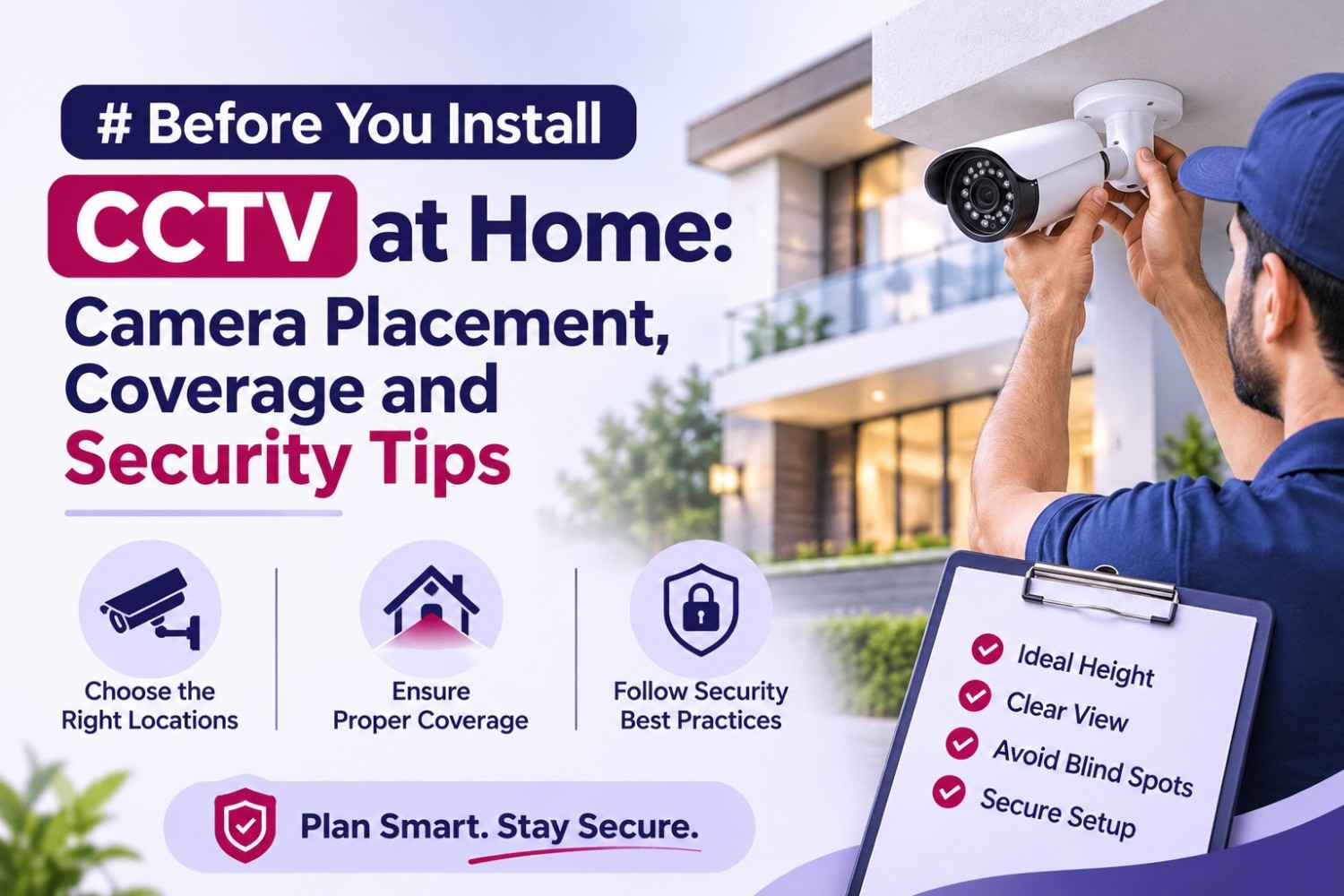
Imagine installing four CCTV cameras around your house, only to discover later that the main entrance is not clearly visible in the footage. The...
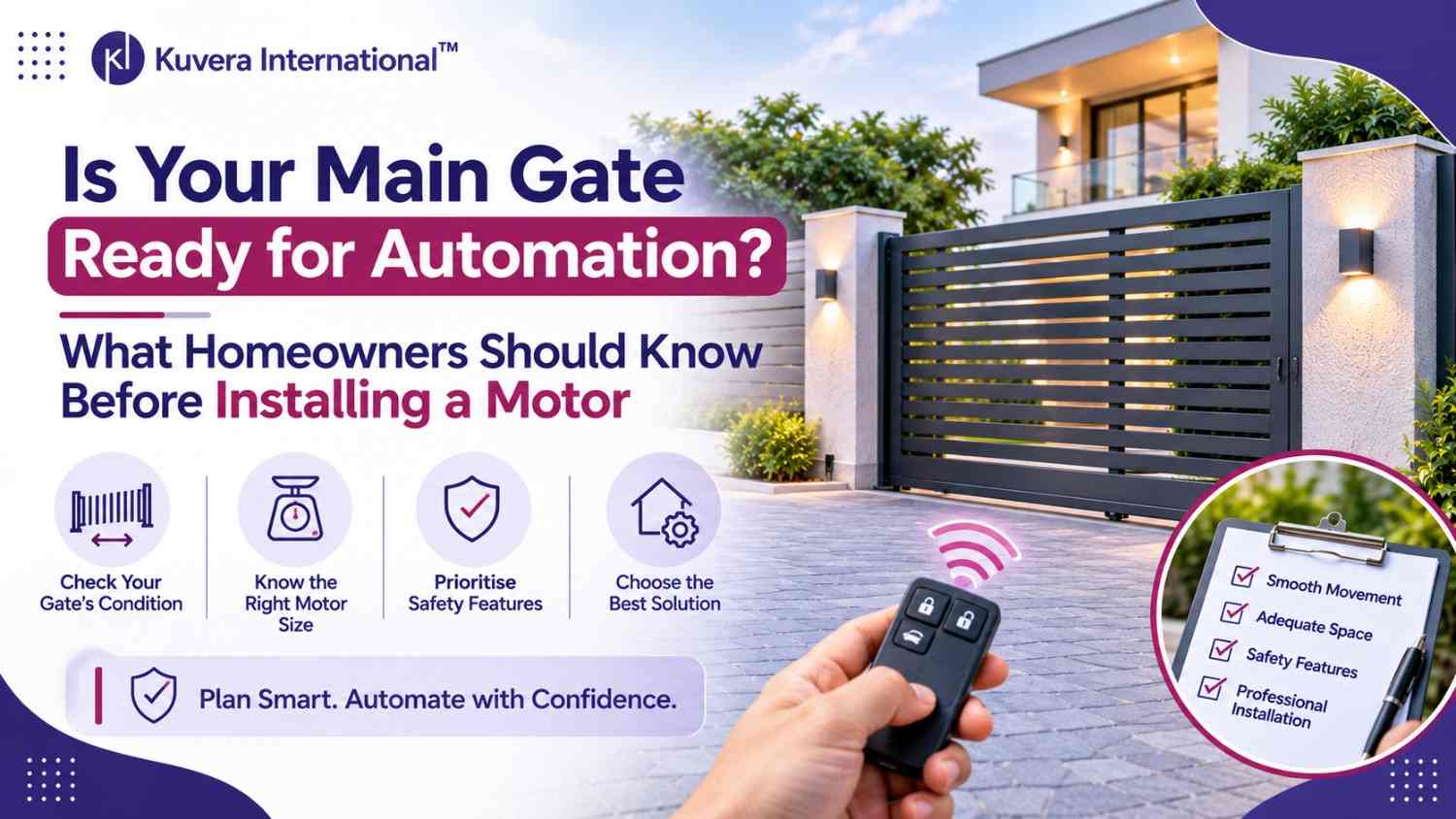
A heavy main gate is not always easy to operate. For some homeowners, opening it means getting out of the car, moving the gate manually and then repeating the process when leaving. This becomes even more inconvenient during rainy weather, late-night arrivals or busy mornings.
But before deciding to automate your entrance, there is something worth checking: Is your existing gate actually suitable for automation?
Not every gate can accommodate a motor without modifications. Its weight, alignment, hinges, tracks, available space and daily usage all influence how well an automatic system will work.
For homeowners considering gate motor installation in Hyderabad, understanding these factors before purchasing equipment can help avoid unnecessary expenses and installation problems.
Let’s look at what you should inspect, which motor arrangements are available and what needs to be considered before converting a manual gate into an automatic one.
One of the most common mistakes property owners make is selecting a motor before checking the condition of their gate.
An automatic gate motor is designed to move a gate, not correct problems with its existing structure. If the gate is difficult to operate manually, installing a motor may only transfer that mechanical strain to the automation system.
Before choosing an automatic gate motor in Hyderabad, inspect the following areas.
Try opening and closing the gate manually, following the appropriate safety precautions.
Does it move without excessive force? Does it get stuck at certain points? Is there unusual noise or resistance?
These observations can help identify problems that need attention before automation.
For sliding gates, check the rollers, track and alignment. For swing gates, inspect the hinges, supporting posts and movement of each panel.
A gate that moves smoothly is a better starting point for motor installation.
A decorative metal gate, a large villa entrance and a lightweight residential gate have different operating requirements.
The motor must be selected according to the actual gate weight, dimensions and construction.
An undersized motor may struggle to move the gate, while an unnecessarily powerful system may increase project costs without providing meaningful benefits.
A proper site inspection helps determine the appropriate motor capacity.
Space is another factor that homeowners sometimes overlook.
A sliding gate needs sufficient side clearance to move completely out of the entrance. A swing gate requires enough space for its panels to open without hitting walls, vehicles, pillars or landscaping.
The available space can determine which automation arrangement is practical for your property.
A gate used a few times a day has different operating requirements from one used continuously throughout the day.
For example, an independent house may have relatively limited vehicle movement, while an apartment complex may experience frequent entry and exit throughout the day.
Check the motor’s duty cycle and operating specifications before making a decision.
Once the existing gate has been assessed, the next decision is the opening mechanism.
There are two common arrangements used in residential and commercial gate automation.
A sliding gate moves horizontally along a track or a suitable trackless mechanism.
It is often considered when there is insufficient space for a gate to swing inward or outward.
A sliding gate motor may be suitable for:
However, the side area must be sufficiently clear to accommodate the gate when fully open.
The track, rollers and supporting structure should also be checked before installation. Dirt accumulation, damaged rollers and poor alignment can affect movement and place additional strain on the motor.
A swing gate opens around fixed hinges, either inward or outward.
This arrangement is commonly considered for independent houses and villas where there is sufficient opening clearance.
A swing gate motor may operate one gate panel or two panels, depending on the entrance design.
Before selecting the system, check:
For double-leaf gates, both panels must operate in the correct sequence and remain properly aligned.
Consideration | Sliding gate | Swing gate |
Opening movement | Horizontal | Around hinges |
Space requirement | Side clearance | Front or rear clearance |
Existing mechanism | Track or suitable trackless arrangement | Hinges and supporting posts |
Common applications | Villas, apartments, commercial properties | Houses, villas and private entrances |
Main inspection point | Rollers, track and alignment | Hinges, posts and opening clearance |
Neither arrangement is automatically better. The existing gate design and available space should determine the choice.
When people search for an automatic gate opener, they often focus only on the motor.
However, the complete arrangement involves several components working together.
The motor supplies the power needed to move the gate. The drive mechanism transfers that movement to the gate through a suitable gear, rack, arm or other compatible arrangement.
The control unit receives operating commands and manages the opening and closing cycle.
It may also support additional features depending on the equipment.
A remote control allows authorised users to operate the gate without manually opening it.
Depending on the requirements, other access options may include keypads, compatible access cards and intercom-based controls.
Safety devices help detect obstacles and reduce the risk of entrapment or collisions.
Their selection and positioning should follow the operator manufacturer’s instructions and applicable safety requirements.
Ask the installer how the gate can be operated if the power supply fails or the system develops a fault.
A suitable manual release arrangement and compatible backup power option can be useful depending on the installation.
A complete automatic main gate system should be planned around the property’s everyday requirements rather than simply the motor’s specifications.
Consider a villa where the owner wants to operate the gate remotely, monitor visitors and coordinate entrance access with the existing security setup.
In this situation, the automation system may need to work alongside other compatible equipment.
Some possible integration options include:
For example, a compatible video door phone arrangement can help residents identify visitors before granting access.
You can also explore how biometric access control enhances security beyond traditional methods.
Automatic gates are powerful moving systems. Their installation should account for people, vehicles and objects that may be present around the gate’s operating area.
A system that opens and closes smoothly is not necessarily safe unless its protective features are correctly installed and tested.
Here are some important checks.
Ask whether the proposed system supports suitable obstacle detection and entrapment protection devices.
Depending on the gate design, these may include photoelectric sensors and safety edges.
Sliding gates may have exposed rollers or gaps that create pinch points. Swing gates may have hazardous areas around their hinges and operating arms.
These locations should be identified and appropriately protected.
Remote controls, keypads and other activation devices should be positioned so users do not need to reach through or around a moving gate to operate them.
Where vehicle gates are used, pedestrian movement should be planned separately with an appropriate walk-through entrance.
The property owner should know how to stop the system, isolate power when required and operate the gate manually according to the manufacturer’s instructions.
For further technical guidance, refer to the Door and Access Systems Manufacturers Association (DASMA) gate operator safety guidelines.
Even when homeowners select suitable equipment, a few planning mistakes can affect the final installation.
A lower-priced motor may not be suitable for a heavy gate or frequent operation.
Compare the operating capacity, duty cycle, compatibility and warranty rather than considering the purchase price alone.
A damaged track, weak hinge or misaligned gate should be corrected before fitting the motor.
Automation will not automatically resolve existing mechanical issues.
Think about how the gate will operate during a power interruption.
Discuss compatible backup options and manual release arrangements before finalising the system.
Outdoor motors and electrical components need to be suitable for their installation environment.
Consider rain, dust, heat and direct sunlight when selecting equipment and planning its placement.
If you plan to add CCTV, access control or other security equipment later, discuss compatibility during the initial planning stage.
This can help reduce the need for unnecessary modifications.
A main gate is often the first point of access to a property. Its automation can therefore be considered alongside other security arrangements.
For example, an independent house may use CCTV cameras to monitor the driveway and an automatic gate to manage vehicle entry.
An apartment complex may combine a motorised entrance with a boom barrier and access management system.
Commercial properties may require a different arrangement depending on vehicle movement and entry requirements.
If you are planning a broader security upgrade, these related Kuvera resources may also be useful:
Once you understand your property’s requirements, the next step is choosing an appropriate installation provider.
A reliable gate automation company in Hyderabad should evaluate the existing gate before recommending an automatic system.
Before proceeding, ask these questions:
Will the company inspect the gate before installation?
The assessment should cover gate weight, dimensions, alignment, mechanical condition and available space.
Will the recommended motor suit the expected usage?
Ask about the motor’s operating capacity and duty cycle.
Are safety components included?
Understand which safety sensors, protective devices and manual release arrangements are part of the proposed system.
Is the installation quotation transparent?
Check whether the quotation covers the motor, accessories, electrical work, installation and any additional modifications.
What happens after installation?
Ask about warranty coverage, maintenance requirements and technical support.
Comparing these details can help you make a more informed decision instead of selecting a provider based only on the lowest quotation.
Every property has a different entrance design and operating requirement. A motor suitable for a private driveway may not be appropriate for a large commercial entrance.
Kuvera International offers gate automation as part of its security and automation services.
If you are considering an automatic gate motor in Hyderabad, discussing your existing gate design, available space and expected usage is a practical first step towards identifying a suitable solution.
Explore Kuvera International’s Gate Automation Services to learn more about the available options for residential and commercial properties.
Before automating your main gate, take a closer look at the gate itself.
Check whether it moves smoothly, whether its structure can support a motor, how much opening space is available and how frequently it will be used. These details are more important than choosing a motor simply because it has attractive specifications.
Whether you need a sliding gate motor, swing gate motor or a complete automatic main gate system, proper planning can help avoid installation problems and support reliable everyday operation.
If you are considering gate motor installation in Hyderabad, start with a site assessment and choose equipment that matches your property’s actual requirements.
Yes, many existing gates can be automated. However, their structural condition, weight, alignment, hinges and opening mechanism should be inspected before selecting a motor. Some gates may require repairs or modifications.
Check how your existing gate opens and the space available around the entrance. Sliding motors are used for horizontally moving gates, while swing motors operate gates mounted on hinges.
Not necessarily. The motor should match the gate’s weight, dimensions, operating frequency and manufacturer’s specifications. Correct sizing and smooth gate movement are more important than simply choosing the highest-capacity motor.
Some compatible gate automation systems support mobile-based operation through dedicated applications or integrated smart access platforms. Availability depends on the equipment and configuration.
The response depends on the installed system. Compatible battery backup options may support operation during power interruptions, while manual release mechanisms provide an alternative when the motor cannot operate.
Yes. Periodic inspection should cover gate alignment, tracks, hinges, rollers, electrical connections, safety sensors and operating components. Follow the manufacturer’s recommended maintenance schedule.
Yes, compatible systems can be integrated with CCTV, intercoms and access control equipment. The available functionality depends on the selected products and system configuration.
Imagine installing four CCTV cameras around your house, only to discover later that the main entrance is not clearly visible in the footage. The...
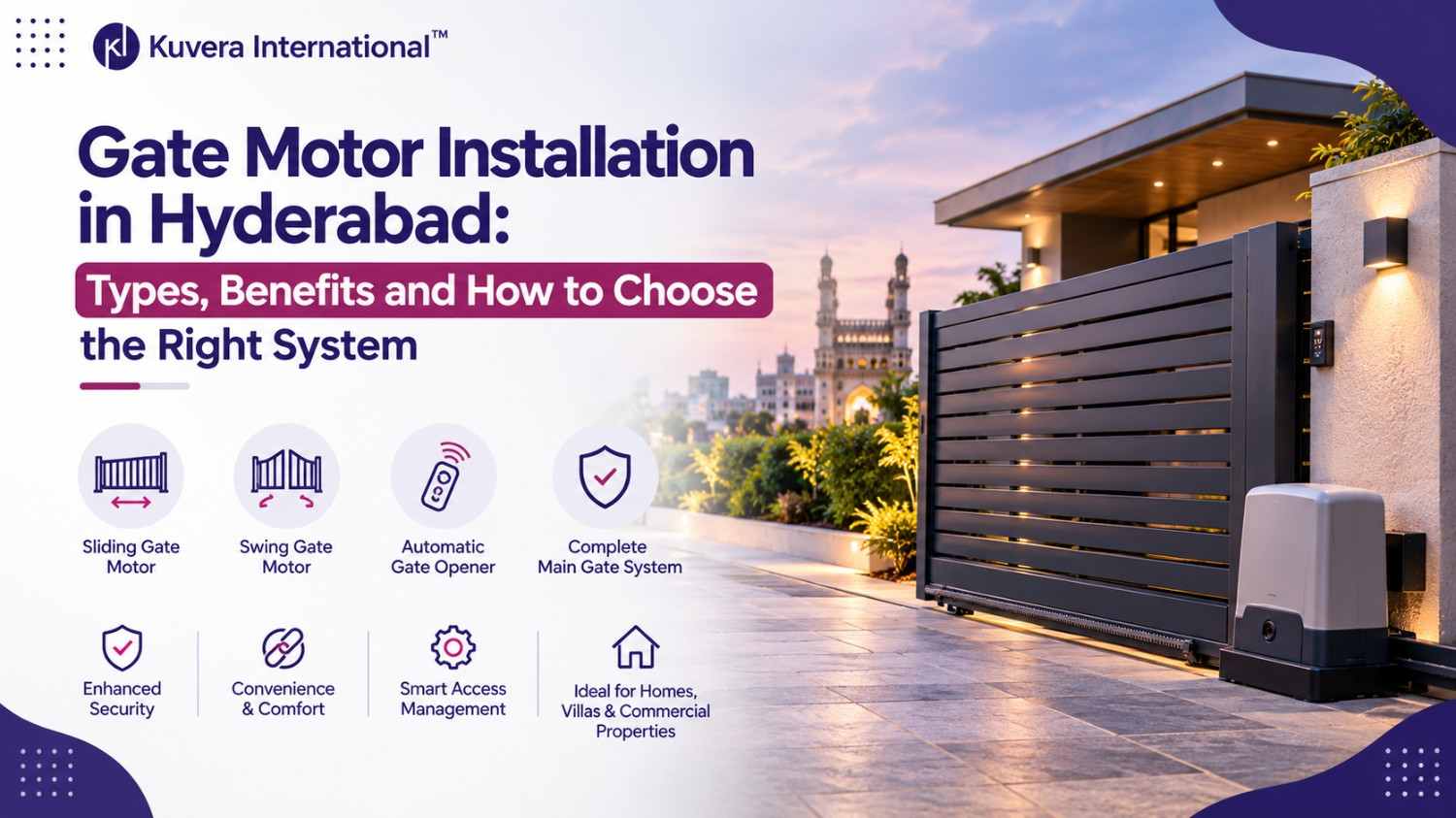
An automatic gate makes everyday entry and exit more convenient while adding an extra layer of security to your property. Whether you own an...
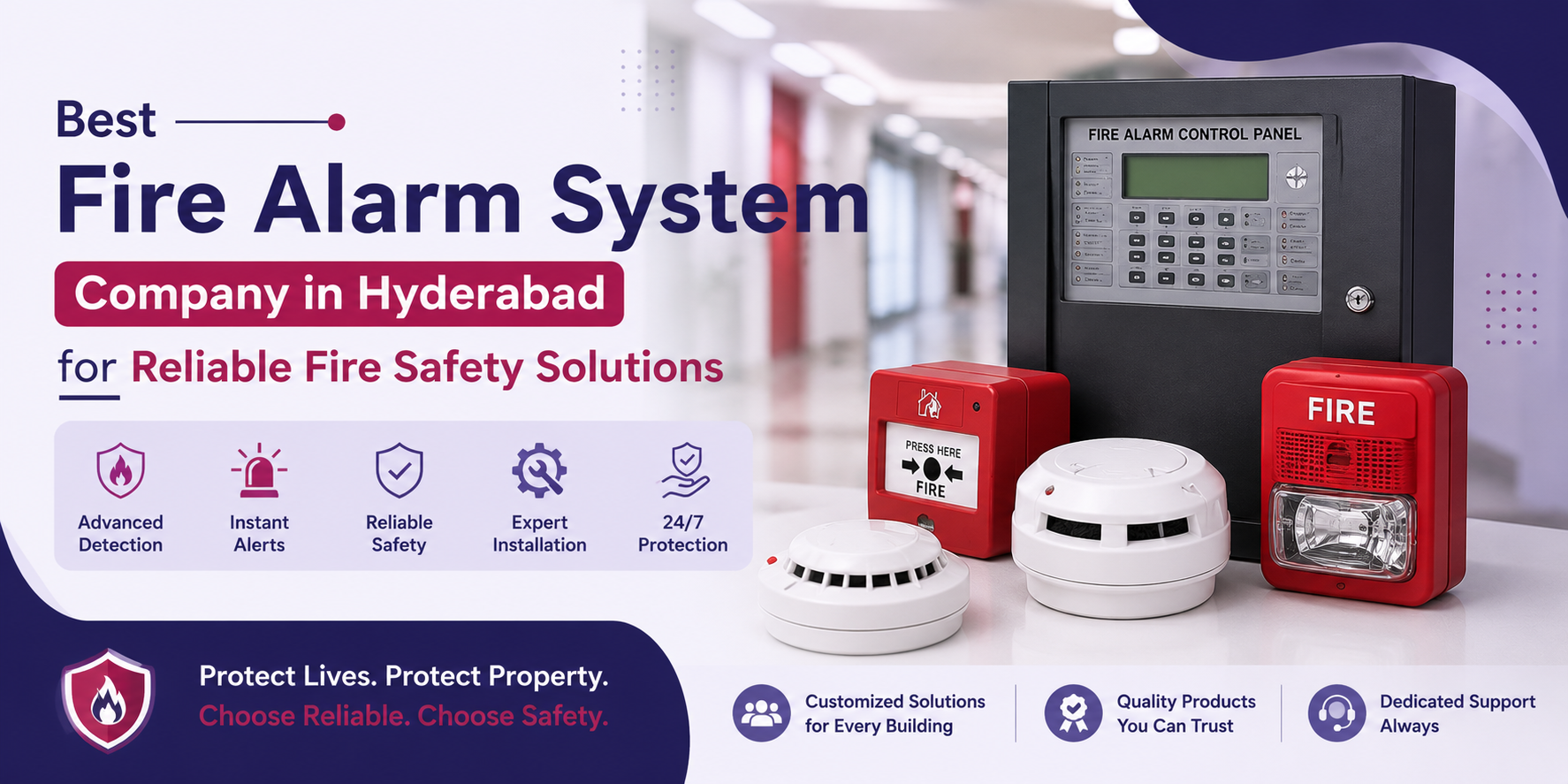
Fire safety is one of the most critical aspects of protecting people, property, and business operations. A reliable fire alarm system provides early detection...